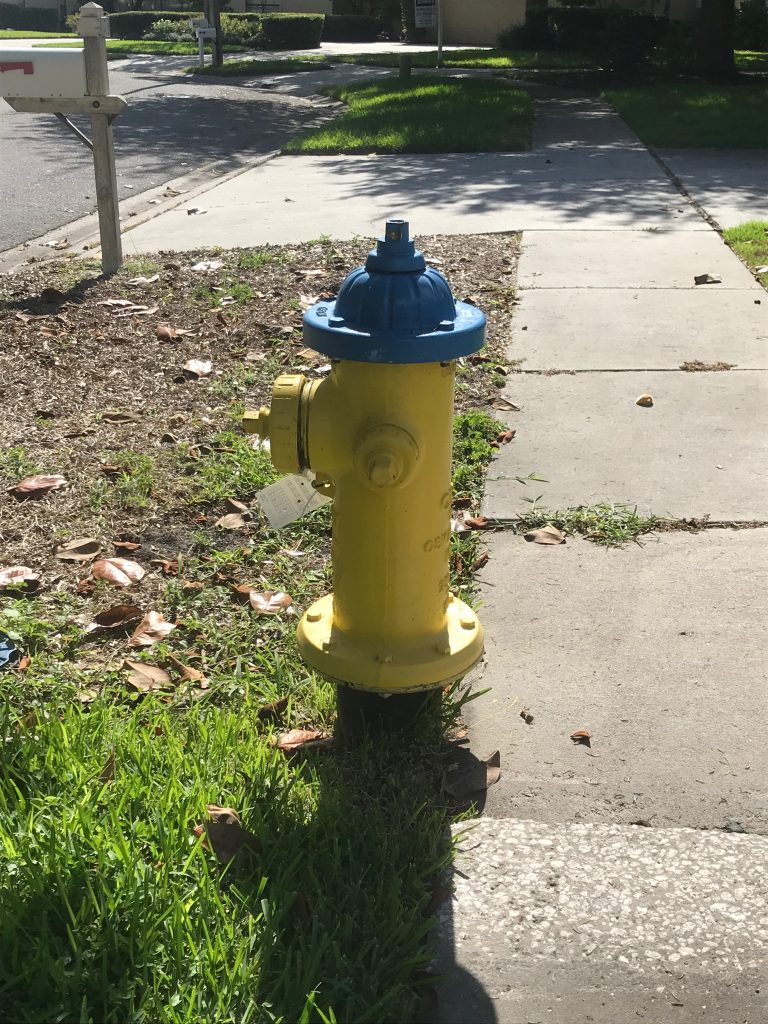
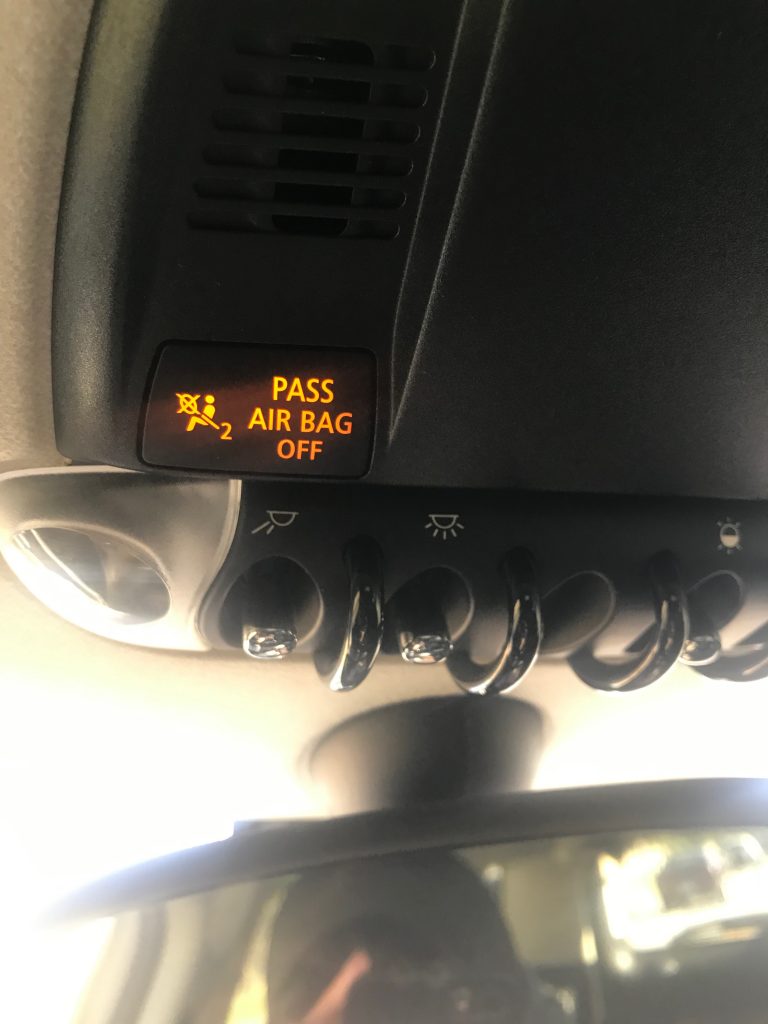
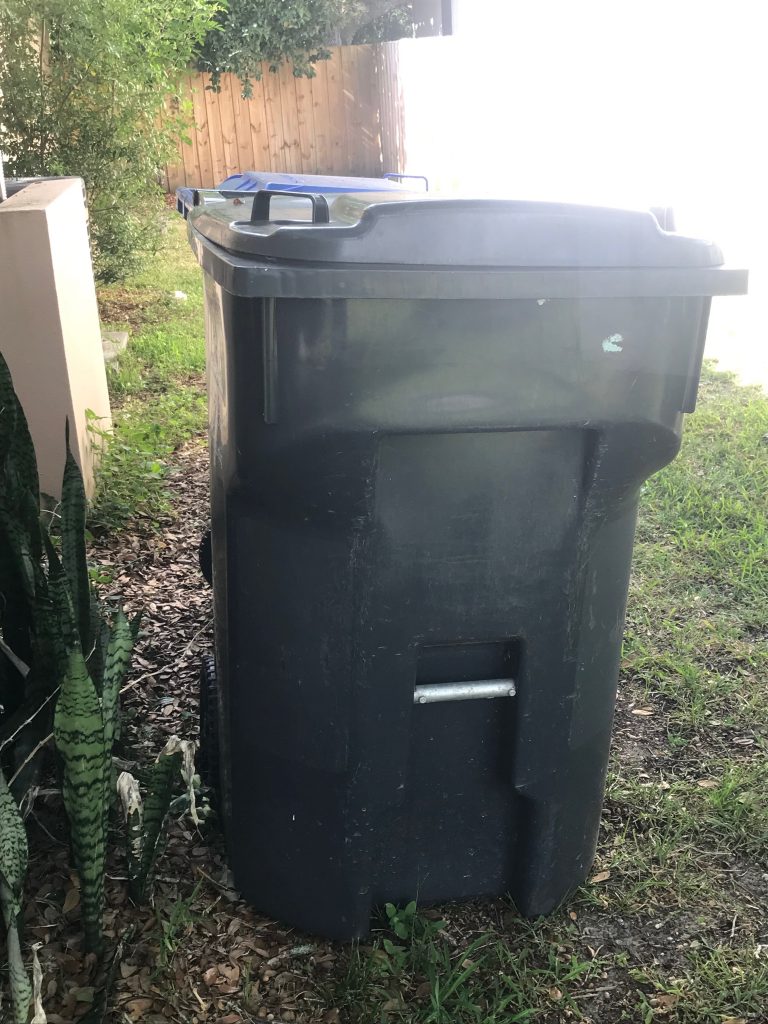
This is a fire hydrant located right outside my house. Fire hydrants serve as mechanisms for firefighters to easily access large volumes of water to put out fires in the homes. It influences public health at the individual and community level by putting out the fire at the place where it started prevents the spread of the fire to surrounding houses. Certain aspects of public health are delegated to public health agencies rather than individuals in the community (Riegelman and Kirkwood, 2015). Where I live, the local (Hillsborough County) and state government collaborate together and are responsible for the placement of fire hydrants and the maintenance of water lines. (Morgan Gallagher, Fire Hydrant, 2 June 2019)This is the passenger airbag off warning light inside of my car. I remember when I was younger being jealous of other kids whose parents allowed them to sit in the front seat. As I got older I realized there was a good reason for little kids not being allowed to sit in the passenger seat, the airbags. If the airbag deploys while a child is in the passenger’s seat, the airbag may cause more harm than help. This warning light makes the driver aware that the passenger’s seat airbags will not deploy, assuming that a child or infant is in that seat. Chapter 1 of Public Health 101 by Riegelman and Kirkwood discusses the various aspects of highway safety that contribute to the public’s health. The implementation of this light in cars and the enforcement of the installation of these lights through vehicle standards show this public health effort prevents the disability and death of children and infants. (Morgan Gallagher, Passenger Airbag Off Light, 2 June 2019)This is a photo of my garbage bin outside my house. Having a place to dispose of garbage effects us at the individual, homeplace, and community level. Having a designated place to dispose of garbage allows the homeplace and community to be more sanitary. Instead of using backyards and lakes as trash bins, people are using specific containers to collectively pile their trash so that it can be disposed of in a different location. The garbage collection system is a social intervention, an intervention that has “secondary impacts on health” (Riegelman and Kirkwood, 2015, p.15). Although the purpose of collecting garbage is simply to avoid having litter everywhere in the neighborhood, it has multiple indirect effects on improving an individual’s health. Since the homeplace and community are clean of trash, individuals benefit by having an organized, clean environment which may lead to less stress, less exposure to potentially harmful bacteria, and less chance of infestations. (Morgan Gallagher, Garbage Bin, 2 June 2019)
Warning: Attempt to read property "comment_ID" on null in /home/amypatte/public_html/PH101Summer19/wp-content/plugins/subscribe-to-comments/subscribe-to-comments.php on line 81
Warning: Attempt to read property "comment_ID" on null in /home/amypatte/public_html/PH101Summer19/wp-content/plugins/subscribe-to-comments/subscribe-to-comments.php on line 81
Warning: Attempt to read property "comment_ID" on null in /home/amypatte/public_html/PH101Summer19/wp-content/plugins/subscribe-to-comments/subscribe-to-comments.php on line 81
Warning: Attempt to read property "comment_ID" on null in /home/amypatte/public_html/PH101Summer19/wp-content/plugins/subscribe-to-comments/subscribe-to-comments.php on line 81
Warning: Attempt to read property "comment_ID" on null in /home/amypatte/public_html/PH101Summer19/wp-content/plugins/subscribe-to-comments/subscribe-to-comments.php on line 81

Leave a Reply